
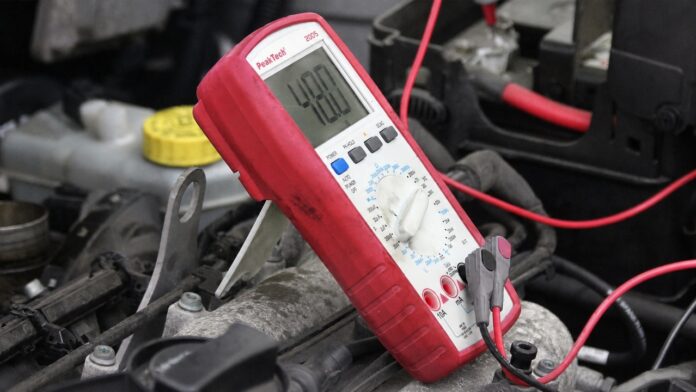
Modern vehicles need far more electrical power than earlier models. Advanced driver-assistance systems, infotainment, start-stop technology, electric turbochargers, active suspension, pumps, compressors, sensors, and control units all increase demand on the electrical network.
Twelve-volt systems became common during the 1950s, when vehicles mainly needed electricity for headlights, radios, ignition equipment, and starter motors.
Current vehicle technology now pushes that architecture close to its practical limits.
Forty-eight-volt systems provide more power at lower current, reducing electrical losses, heat, cable weight, and strain on key components. They also support partial electrification without the cost and safety requirements of a 400V or 800V platform.
Why 12-Volt Systems Are No Longer Enough
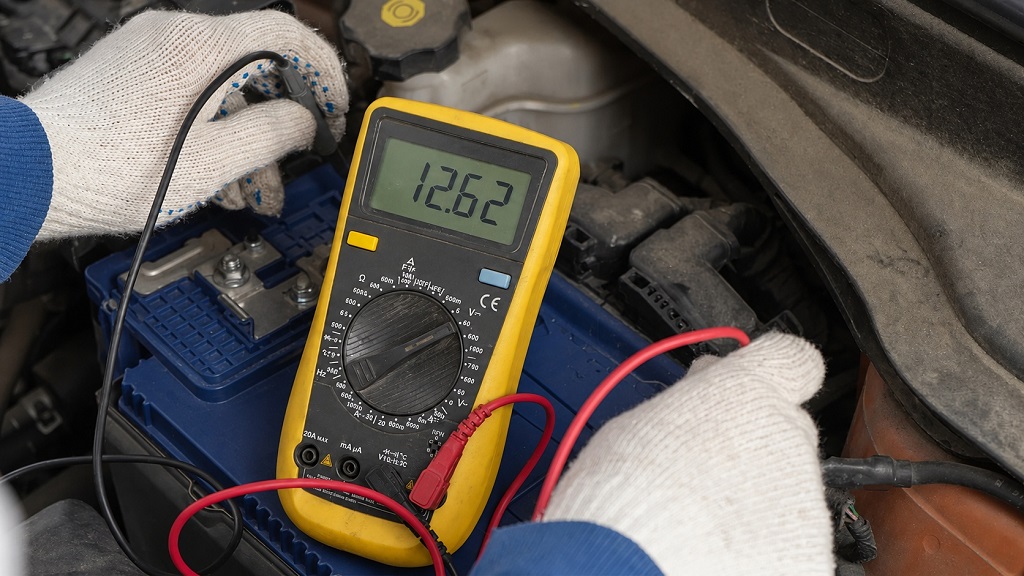
Increasing power on a 12V network requires higher current. Higher current means thicker cables, more copper, greater heat generation, and increased resistive losses.
A 2-kW component requires about 166.7 amps at 12V. At 48V, the same component requires only about 41.7 amps. Raising voltage by a factor of four cuts current to one-quarter for equal power.
Large 12V cables add weight and cost. Added weight can also increase fuel or energy use.
High-demand components are especially difficult to operate efficiently at 12V. Examples include:
- Electric steering and braking
- Active roll control
- Cabin and catalytic-converter heating
- Electric compressors
- High-output cooling pumps
Benefits of 48-Volt Systems
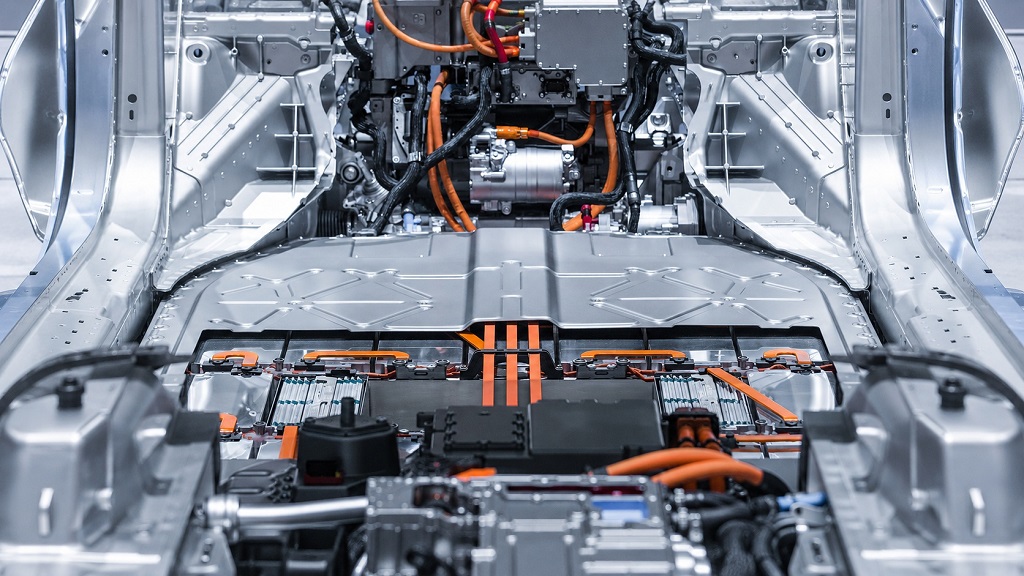
Forty-eight volts can deliver equal power at one-quarter of the current required by a 12V system. It can also provide four times the power at the same current.
Lower current brings several direct benefits:
- Smaller and lighter cables
- Reduced copper use
- Lower electrical losses
- Less heat around wiring and connectors
- Lower risk of electrical overheating
- Reduced vehicle weight
A 48V network can power air conditioning, steering, braking, heating, suspension, pumps, compressors, and emissions-control equipment more efficiently.
Operating voltage can stay below the 60V Safety Extra-Low Voltage threshold. Such operation avoids some specialized insulation, wiring, repair, and technician requirements linked to high-voltage systems.
Most vehicles keep the existing 12V network. Lighting, infotainment, audio equipment, and small electronic modules continue to use 12V, while the 48V network handles high-power loads.
A DC-DC converter transfers energy between both systems, and a reliable automotive PCB helps manage power conversion, communication, and control across the dual-voltage architecture.
Battery-electric vehicles can convert power in a 400V or 800V traction battery directly to 48V.
Such a setup can act as a virtual 48V battery, reducing the need for a separate pack in some designs. Lower battery weight and smaller components can also free valuable packaging space.
Supporting Mild-Hybrid Technology
Mild-hybrid systems are among the main uses of 48V architecture.
A typical setup includes a lithium-ion battery, belt-driven starter-generator, DC-DC converter, power electronics, sensors, and control units.
During braking and deceleration, the starter-generator recovers kinetic energy that would otherwise be lost as heat. Stored energy can later support:
- Torque assistance during acceleration
- Faster engine restarts
- Engine-off coasting
- Longer start-stop operation
- Electric pumps and compressors
Fuel economy can improve by about 10% to 15% with relatively little additional battery mass. Actual savings depend on vehicle type, driving conditions, and system design.
Electric assistance, regenerative braking, and start-stop operation can reduce carbon dioxide emissions by as much as 15% compared with a conventional internal-combustion vehicle.
One truck test used a 15-kW crank-assist generator and electrified auxiliary systems. Recorded results included:
- 28% fuel savings
- 46% lower nitrogen oxide emissions
- 93% lower particulate emissions
Such results apply to a specific truck and drive-cycle test, not every 48V vehicle.
Technologies Enabled by 48V Power
Higher power capacity allows manufacturers to electrify systems that previously depended on mechanical or hydraulic operation.
Electric Turbochargers and Superchargers
Electric boosting equipment can accelerate without waiting for exhaust pressure to build. Faster operation reduces turbo lag and improves low-speed torque.
Smaller engines can then produce stronger acceleration without relying on greater displacement.
Active Suspension and Roll Control
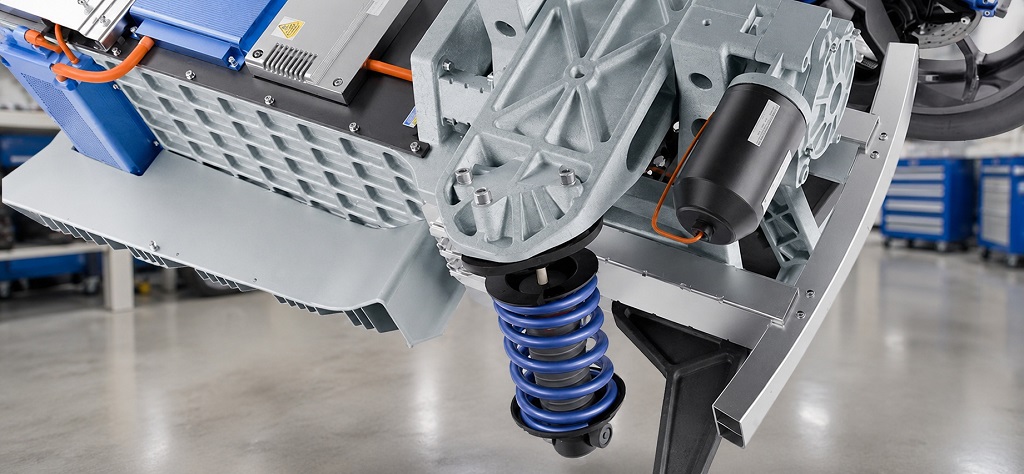
Active suspension needs rapid bursts of power to respond to steering, braking, road conditions, and vehicle movement.
A 48V network can support active anti-roll bars, adjustable dampers, and electric chassis actuators. Faster responses can improve comfort, handling, and stability.
Electric Pumps and Compressors
Mechanical pumps often operate whenever the engine runs, even when full output is unnecessary. Electric alternatives can activate only when needed.
Common applications include:
- Water and coolant pumps
- Oil and vacuum pumps
- Air compressors
- HVAC compressors
- Battery and power-electronics cooling pumps
On-demand operation reduces mechanical engine load and allows more precise thermal management.
Electric air conditioning can also continue operating while the engine is off.
Electric Steering and Braking
Steering and braking systems need fast and dependable power. A 48V motor can produce stronger output without the extreme current required by a 12V unit.
Steer-by-wire and brake-by-wire systems can also adjust their response according to speed, road conditions, driver input, and automated-driving commands.
Why Adoption Is Growing
Automakers need to meet stricter fuel-economy and emissions requirements while adding more electronic features.
Full high-voltage electrification is not practical or affordable for every vehicle platform.
Forty-eight-volt technology offers a lower-cost option for:
- Gasoline and diesel vehicles
- Mild hybrids
- SUVs and pickup trucks
- Delivery vans
- Heavy trucks
- Battery-electric vehicles
Europe has led adoption due to strict carbon dioxide targets.
China has expanded production through manufacturing scale and hybrid incentives.
North American demand is strong in SUVs and pickup trucks, where added electrical power can support towing, torque assistance, suspension, and high-demand accessories.
Global automotive 48V systems were valued at $9.66 billion in 2024. Market growth is projected at a compound annual rate of 15.98 percent between 2025 and 2035.
Projected market values include:
- About $23.5 billion in 2030
- About $49.6 billion in 2035
Suppliers are also developing lighter batteries, silicon-carbide power electronics, modular converters, and smart power-distribution units. Such improvements reduce size, weight, and integration costs.
Challenges
Adding 48V architecture requires extra hardware, engineering, and testing. Cost and complexity are the main obstacles.
A typical system may require:
- A second battery
- A starter-generator
- DC-DC converters
- Inverters and motors
- Additional control units
- New wiring and connectors
Operating 12V and 48V networks together also makes vehicle design more complex. Engineers must manage power transfer, heat, electromagnetic interference, voltage stability, and communication between control modules.
Components must tolerate vibration, moisture, dust, temperature changes, repeated charging cycles, and long operating periods.
Existing 12V networks are already cost-optimized and supported by large supplier networks. Redesigning them requires new tooling, testing, technician training, and production changes.
Summary
Forty-eight-volt systems fill the gap between conventional 12V networks and 400V or 800V electric platforms.
They provide more power with less current, reducing cable size, heat, electrical losses, and vehicle weight.
Regenerative braking, torque assistance, engine-off coasting, electric boosting, active suspension, advanced safety systems, and electrified accessories all benefit.