

Steel frame homes are getting more attention as buyers look for durability, fire resistance, pest resistance, and long-term structural strength.
Metal framing can reduce concerns tied to rot, termites, and warping, which makes it an attractive option for many residential projects.
In 2026, higher tariffs on steel and other building materials are pushing construction budgets upward.
Building material costs have already increased 40% after December 2020, far ahead of general inflation.
Steel frame homes can still be a strong choice, but buyers and builders need more careful budgeting than they may have needed a few years ago.
Why Tariffs Matter For Steel Frame Homes
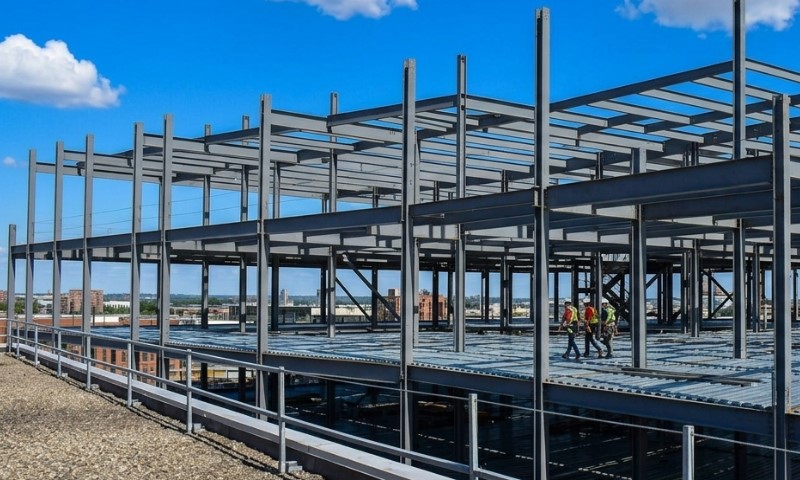
Steel frame homes depend heavily on steel studs, beams, connectors, fasteners, trusses, and, in many cases, metal roofing or siding.
A tariff adds a tax to imported goods, and that cost usually moves through suppliers, contractors, and homeowners as higher prices.
Residential construction used a major volume of goods in new single-family and multifamily projects in 2025, and the import share still mattered for pricing pressure.
- $194 billion worth of goods used in new residential construction in 2025
- $14 billion in goods imported outside the United States
- About 7% of goods used in new residential construction are tied to imports
Even when imported materials account for a smaller share of total goods, tariffs can still raise prices across the broader supply chain. Domestic suppliers often adjust prices when competing imported products become more expensive.
A 50% Section 232 tariff on steel and aluminum imports is still in effect, which makes steel-framed projects especially exposed to metal price increases.
Steel framing may use fewer wood products, but it does not avoid tariff risk. Every steel stud, beam, clip, bracket, screw, strap, and connector can carry pricing pressure.
Larger homes, custom designs, wide spans, and complex rooflines can face a bigger impact because they require more metal and more specialized components.
How Builders And Homeowners Can Control Costs
Early pricing is one of the most important steps for a steel frame home in 2026. Locking in steel pricing early can reduce exposure to sudden tariff-related increases.
Ordering key materials early may also help protect the schedule and reduce the risk of paying more later.
Several cost-control steps can help reduce tariff exposure before construction begins.
- Lock in steel pricing early when possible
- Order key materials before major price changes
- Compare domestic and imported supplier options
- Plan substitutions before preferred products become unavailable
- Compare material choices line by line
Domestic supplier options should be compared with imported options.
Domestic materials may still cost more in some categories, but they can reduce tariff exposure and help avoid delays tied to customs, shipping changes, or limited inventory.
Bulk purchasing can also help contractors lower unit costs when several homes or phases use similar materials.
Hybrid framing systems may reduce costs when full steel framing is not required across every part of the home.
Some projects may use steel for specific structural areas, long spans, fire-resistant zones, or moisture-prone areas while using wood in other sections.
Any hybrid approach should be reviewed by the engineer, builder, and local code officials.
Simpler spans, cleaner rooflines, efficient stud spacing, practical steel gauges, repeated wall sections, and fewer custom details can reduce material waste and labor time.
Finish selections should also be priced carefully because tariffs can affect several high-cost categories.
- Cabinets
- Vanities
- Furniture
- Appliances
- Lighting
- Fixtures
Domestic supplier options should be compared with imported options.
Domestic materials may still cost more in some categories, but they can reduce tariff exposure and help avoid delays tied to customs, shipping changes, or limited inventory.
Builders and homeowners can also review steel-home kit providers such as Elythera Homes when comparing packaged materials, construction methods, pricing, and assembly timelines.
Bulk purchasing can also help contractors lower unit costs when several homes or phases use similar materials.
How Tariffs Increase Total Build Cost

Price increases tied to tariffs do not stop at structural framing. Several parts of a steel frame home can become more expensive when metal costs rise.
- Metal roofing and siding
- Fasteners and connectors
- Copper wiring and electrical systems
- HVAC components
- Appliances
- Cabinets and interior finishes
Steel, aluminum, and copper are essential across residential construction. Steel can appear in framing, beams, connectors, garage doors, and appliances.
Aluminum can appear in windows, doors, trim, gutters, siding, and HVAC equipment.
Copper can appear in wiring, plumbing, heat pumps, and electrical systems. When tariffs raise metal costs, multiple parts of the home budget can move at once.
Recent tariff actions have already created measurable cost increases for builders and homeowners.
- About $10,900 added to a typical new home
- More than 60% of builders report higher costs tied to tariffs
- Up to $30 billion in possible added housing-sector costs
- About $17,500 in added cost per new home, under some estimates
- A possible $30 billion impact on residential construction and renovation costs by 2027
A steel frame home budget can also be affected by indirect costs. Suppliers may raise delivery charges, contractors may add higher allowances, and builders may shorten the length of time a bid stays valid.
Importers facing 25% to 46% tariffs may reduce product variety by focusing on bestsellers and higher-margin products, which can limit choices for cabinets, fixtures, appliances, and decorative components.
Steel vs. Wood Framing In 2026
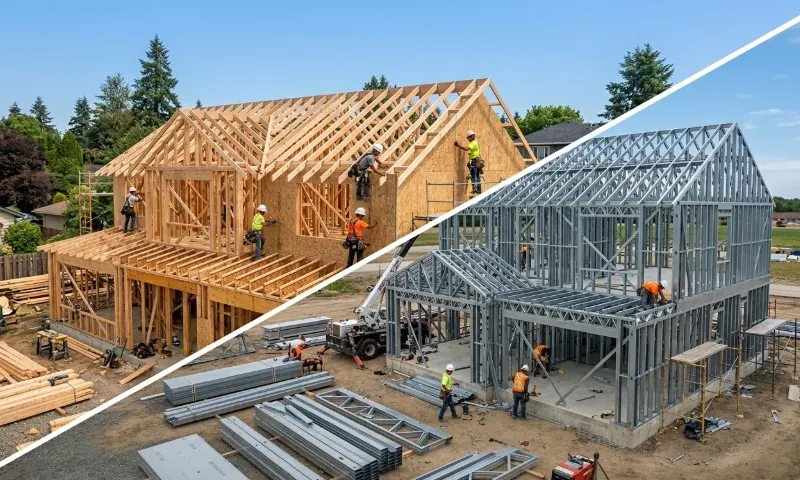
Wood framing is also facing tariff pressure, especially because of Canadian lumber duties.
That makes a steel-versus-wood comparison more complicated in 2026. Steel may still cost more upfront in many markets, but wood is not protected against price swings.
Canadian softwood lumber plays a large role in the U.S. supply chain, which means lumber duties can affect many wood-framed homes.
- Canada accounts for roughly 85% of U.S. softwood lumber imports
- Canada supplies nearly one-quarter of U.S. softwood lumber
- Canadian lumber duties increased to 35% after a prior 14.5% level
- An added 10% Section 232 tariff created an overall 45% price impact on Canadian lumber
Framing lumber hovered around $590 per thousand board feet in early February 2026. Framing lumber costs were up 17% year over year.
Those numbers matter because wood framing has traditionally been the lower-cost default for many residential builds. When lumber prices rise, steel framing may become more competitive in certain regions or project types.
A builder should compare steel and wood framing using the same floor plan, roof design, labor scope, engineering needs, delivery fees, fastening systems, insulation approach, and finish schedule.
Material price alone may not show the full picture. Labor availability, code requirements, fire resistance goals, pest concerns, and long-term maintenance should also factor into the decision.
Budget And Contract Risks
Tariff uncertainty can create shorter quote-validity periods, higher material allowances, escalation clauses, more change orders, and larger contingency requirements.
A price that looks workable during early planning may no longer fit the budget once steel, copper, cabinets, or fixtures are ordered.
Early 2026 cost movement shows why contractors and homeowners need more room in the budget:
- Construction input prices surged at a 12.6% annualized rate
- That pace was the fastest since 2022
- Many residential projects still need months for design, permitting, pricing, and construction
Escalation clauses are becoming more common as contractors try to reduce exposure to sudden price increases.
A contract may allow the builder to adjust the price when steel, lumber, copper, or finish materials rise after signing.
Some contracts may also use allowances for materials that have not been selected or purchased yet.
Those allowances can help projects move forward, but they can also create budget surprises when real purchase prices come in higher than expected.
Contingency planning may need to be more conservative in 2026.
- 10% to 15% may not be enough for many projects
- 15% to 20% may be more realistic under tariff uncertainty
- Projects extending into 2027 may need extra caution
Homeowners should review fixed-price language, material allowance terms, escalation clauses, substitution rights, and change-order procedures before signing.
FAQs
Summary
Tariffs are making steel frame homes more expensive and harder to estimate today.
Major pressure points include steel, aluminum, copper, lumber, and finish materials.
A 50% tariff on steel and aluminum makes steel frame homes especially sensitive to metal price increases.
Cabinets, vanities, and furniture also matter because interior finishes can add meaningful cost to a final home budget. A 25% tariff on kitchen cabinets, furniture, and vanities is in effect until January 1, 2027.
Steel frame homes can still make sense for buyers who value durability, pest resistance, fire resistance, and long-term strength.