Imagine having $40,000 to launch a small factory. You’ve found a suitable workshop, identified potential customers, and prepared a list of machines. One supplier recommends an automated production system. Another offers a cheaper alternative. Both promise better productivity.
But there’s a problem. Spending most of that money on equipment could leave almost nothing for raw materials, electricity, wages, or unexpected expenses.
The smartest first purchase is usually the equipment that removes the biggest obstacle between a confirmed customer order and a finished product. A small manufacturer should prioritize essential tools, quality control, and safe production before committing to expensive automation.
The challenge is deciding what belongs in that first group.
Your First Machine Should Solve a Proven Problem
A business plan might include five different products. That doesn’t mean the factory needs equipment for all five immediately.
Start with the product customers are most likely to purchase. Identify the essential production operations and determine which ones must happen inside your workshop.
A small manufacturer of wooden display stands, for example, might need accurate cutting, assembly, surface preparation, and packaging.
Purchasing a sophisticated CNC system could make sense later. At the beginning, basic fabrication equipment and reliable measuring tools might be sufficient.
The Federal Reserve Bank of Chicago examined how manufacturers make equipment investment decisions in a 2024 research article.
Among 20 surveyed manufacturing executives, 85% identified competitiveness as a motivation for technological investment. Another 75% cited lower labor costs.
The survey also identified financing constraints and uncertainty about benefits as major obstacles.
For a startup, the lesson is clear: purchase decisions need evidence of commercial value, not promises of future productivity.
Build the Workshop Around One Complete Product
An expensive machine cannot compensate for missing equipment elsewhere in the production process.
Consider a small company that produces metal brackets.
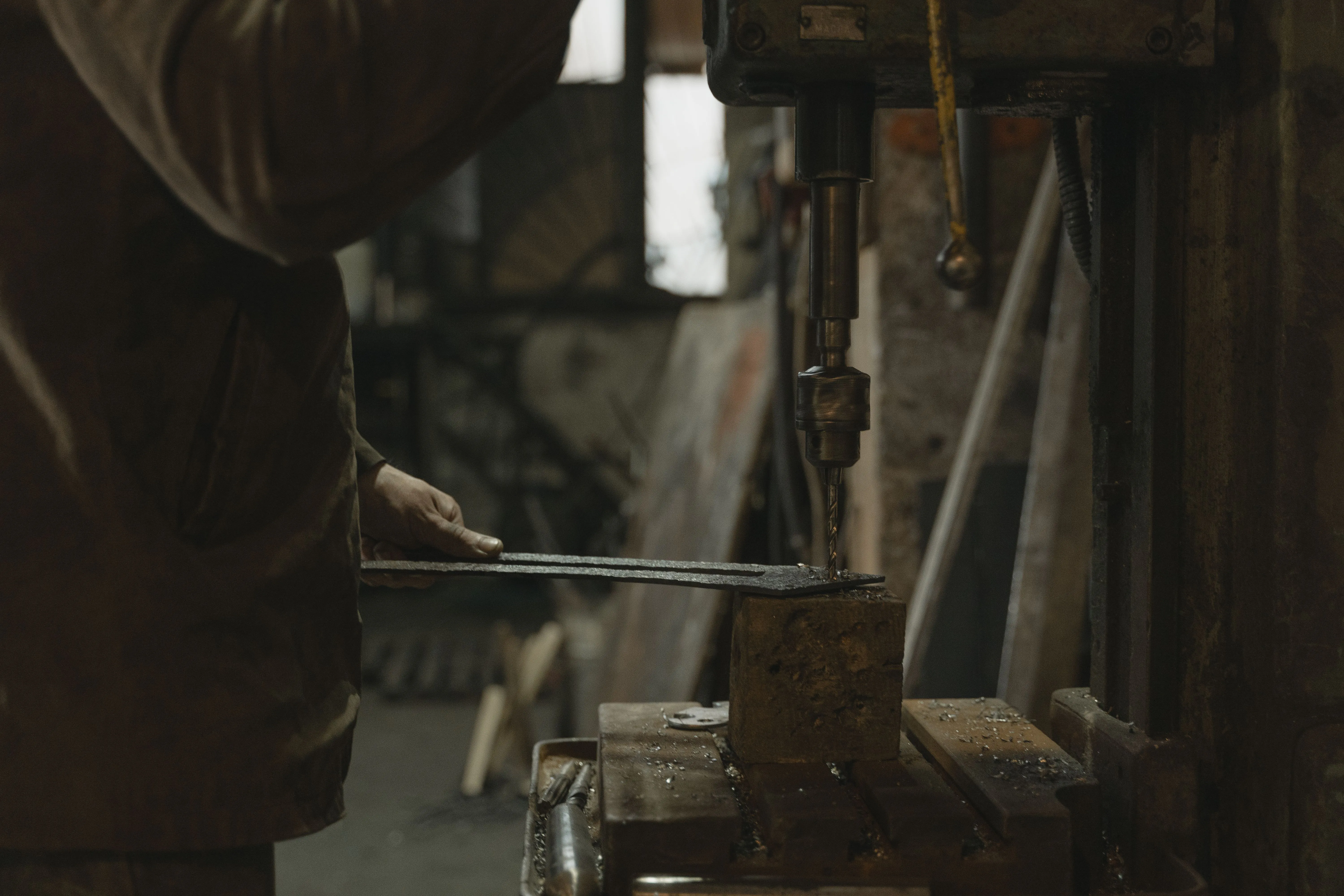
It might need cutting equipment, a drill press, measuring instruments, assembly tools, and a safe area for finished products.
Buying the fastest cutting machine solves only one part of the process.
If every bracket then waits for a single manual drilling station, production capacity remains limited.
I would organize the first equipment budget into four categories:
The exact purchases depend on the product and applicable regulations.
A food business may need sanitation and temperature-control equipment. A metalworking shop faces different safety and inspection requirements.
The goal is a complete, workable production process rather than an impressive collection of machines.
The Equipment That Protects Quality Deserves an Early Budget
New manufacturers sometimes spend thousands on production machinery and leave only a few dollars for inspection tools.
That decision can become expensive.
Suppose your business produces 500 components per month. A defective part costs $18 in materials and direct labor.
At a 6% rejection rate, 30 parts fail inspection.
That’s $540 in monthly direct production costs, before any rework, replacement delivery, or customer service expense.
Reducing the rejection rate to 2% lowers the number of defective parts to ten. Under the same assumptions, the direct cost falls to $180.
The difference is $360 per month.
Accurate calipers, gauges, suitable fixtures, and documented inspection procedures can sometimes provide greater immediate value than another production machine.
A NIST study on manufacturing efficiency also identified bottleneck reduction and production scheduling among the areas associated with high investment returns.
For a young factory, consistent output matters more than theoretical maximum capacity.
When Laser Equipment Makes Financial Sense
Some manufacturing businesses can build an entire product range around one versatile production machine.
That is particularly relevant for businesses that produce signs, decorative components, packaging inserts, or customized products made with compatible materials.
Appropriate laser cutting machines can handle detailed profiles and precise decorative elements. However, the required equipment depends on the material, thickness, production volume, and laser source.
A CO₂ laser suitable for wood and selected acrylics is not automatically suitable for cutting bare metal. Industrial metal-cutting systems have different technical requirements.
Before purchasing any machine, request a sample made with your exact material.
Check the finished edges, dimensions, processing time, and consistency across several pieces.
Also consider extraction, electrical requirements, maintenance, operator instruction, and any applicable workplace safety regulations.
The real test is the cost of a saleable finished component.
A $12,000 Machine Can Cost Much More Than $12,000
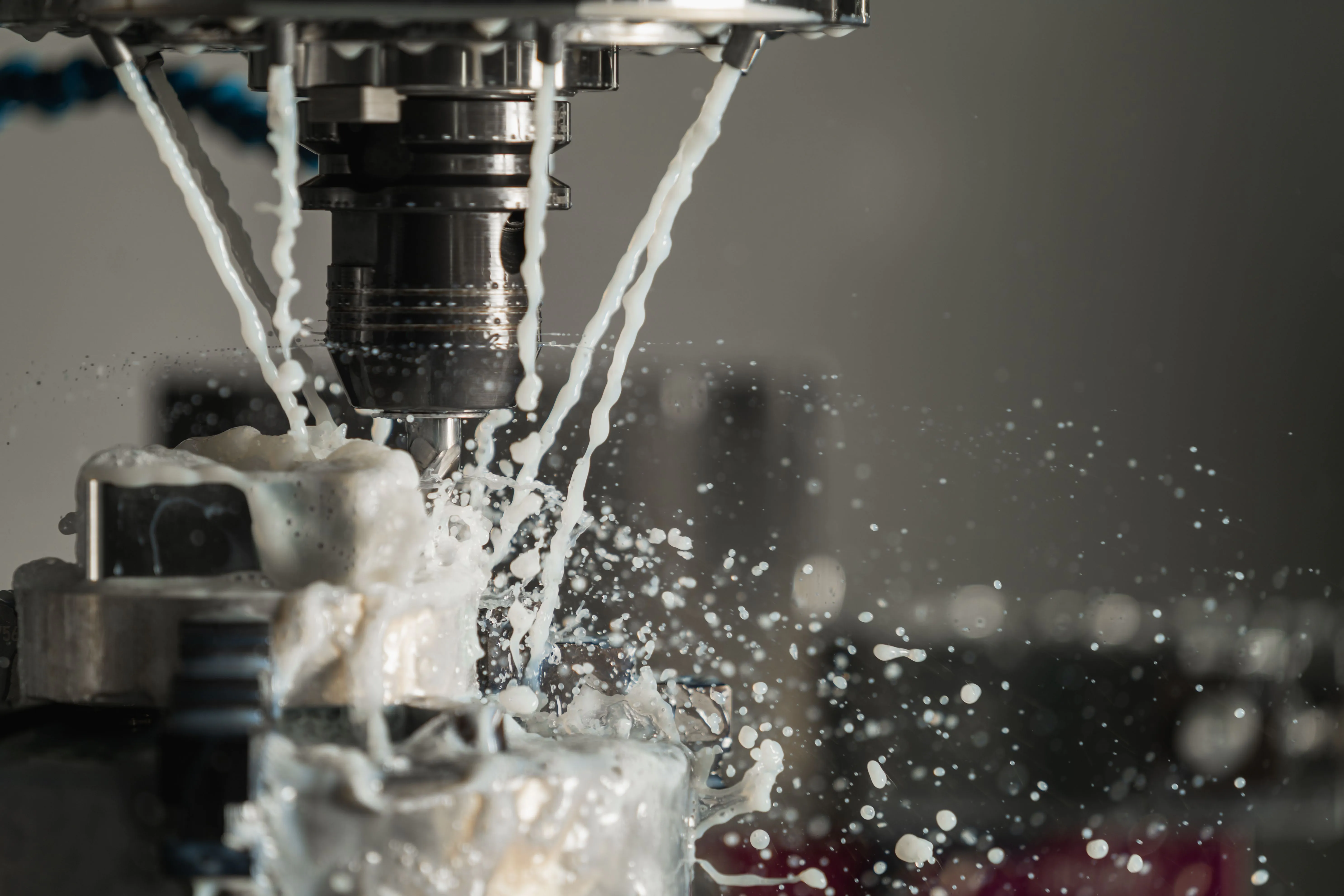
The purchase price is only part of the initial investment.
A new machine may require transport, installation, electrical work, protective equipment, software, and initial consumables.
Consider a hypothetical $12,000 production machine.
The additional $4,000 represents one-third of the advertised machine price.
Actual costs vary widely according to equipment type, location, and facility conditions.
The NIST equipment purchase guide recommends assessing equipment across its full life cycle, including financing, installation, maintenance, and eventual disposal.
A reliable budget must therefore extend beyond the supplier’s quotation.
Used Equipment Can Be Valuable, but Inspect It First
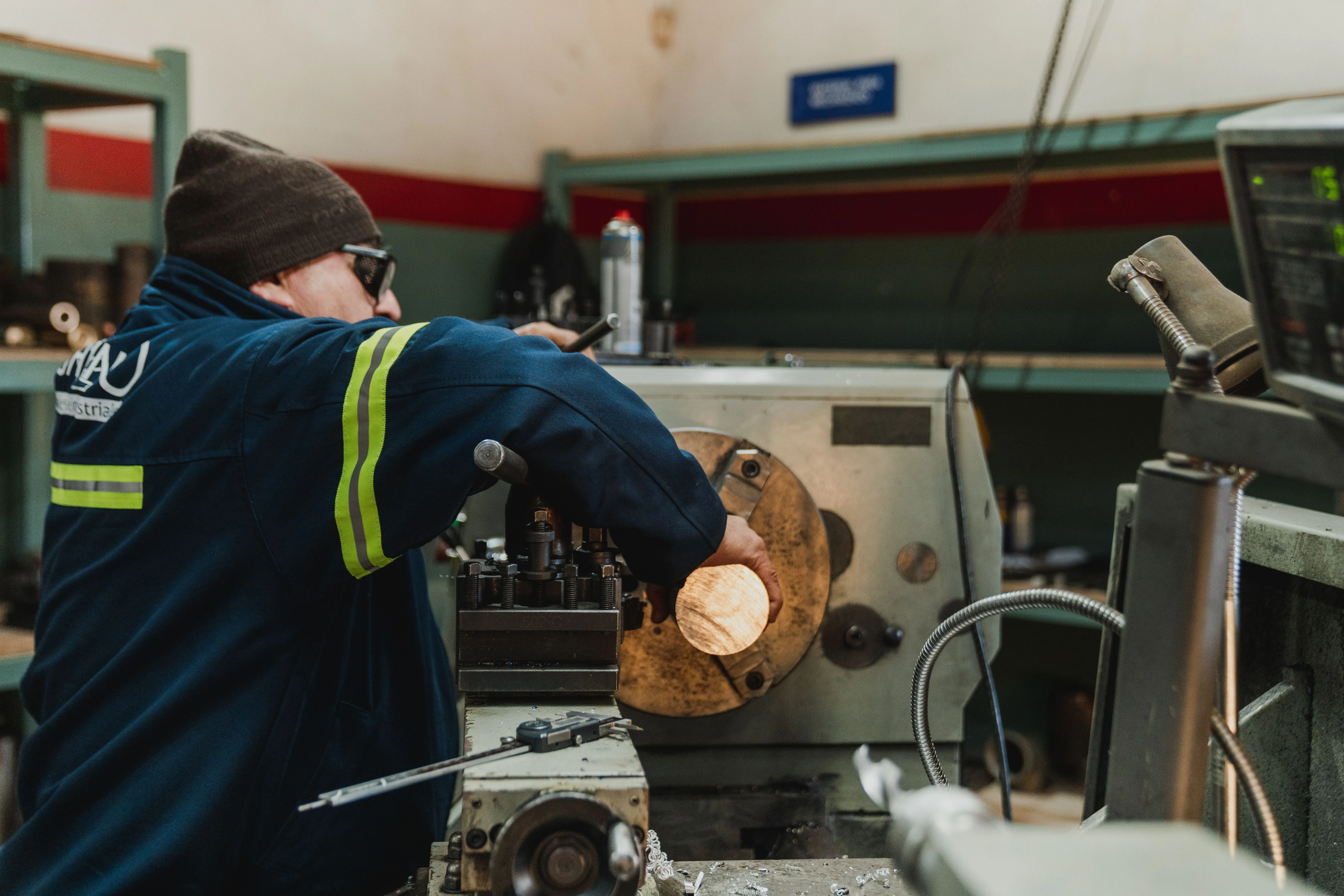
Secondhand machinery can preserve startup capital, particularly for established technologies with readily available replacement parts.
However, a low purchase price doesn’t guarantee good value.
A used machine might require repairs, calibration, new controls, or replacement safety components.
Request maintenance records and inspect the equipment under normal operating conditions.
Confirm that spare parts and technical support remain available.
For more complicated machinery, an independent inspection can be worth the additional expense.
Never assume that missing guards or defective emergency stops are minor inconveniences.
A cheaper machine with serious safety defects may be unsuitable for operation until the required corrections are complete.
Why Renting or Outsourcing May Be Better
Not every production process needs to happen inside the factory.
Suppose your startup receives occasional orders that require specialized metal cutting. Purchasing an expensive machine for a few jobs each month could create unnecessary financial pressure.
An outside fabrication service offers another option.
The supplier charges for completed components, and your business avoids a large initial machinery purchase.
The disadvantage is reduced control over production schedules and supplier availability.
NIST’s small-manufacturer supply chain guidance emphasizes the value of supplier resilience and flexible production capacity.
A practical compromise is to retain essential operations in-house and outsource infrequent specialist work.
Track supplier costs and delays. Frequent orders may eventually justify your own equipment.
How Many Orders Would Pay for the Machine?
Before signing a purchase agreement, calculate the additional contribution each product provides after variable costs.
Suppose a machine costs $16,000 to purchase and install.
Each finished product sells for $80. Materials, direct labor, packaging, and other variable costs total $52.
That leaves a contribution of $28 per product.
$16,000 ÷ $28 = approximately 572 products
Under these assumptions, around 572 sales would produce enough contribution to equal the initial investment.
That calculation is a simplified payback test, not a full profit forecast. It excludes fixed operating costs, financing charges, taxes, the time value of money, and changes in working capital.
At 40 products per month, reaching that amount takes roughly 14.3 months.
At 100 per month, it takes approximately 5.7 months.
Realistically confirmed sales volumes matter far more than optimistic production targets.
Protect Cash for the First Three Months
A small factory may receive orders before it receives payment.
Materials often need to be purchased immediately, yet commercial customers may have agreed payment terms.
Therefore, a workshop that appears profitable can face a short-term cash shortage.
Before buying equipment, prepare a 13-week cash forecast. Include expected customer payments, supplier invoices, wages, utilities, and loan obligations.
Separate confirmed orders from possible future sales.
Preserve enough cash for essential expenses and reasonable delays.
Equipment financing can spread purchase costs across several months or years, but lenders may require collateral, deposits, or personal guarantees. The U.S. Small Business Administration’s 504 loan program, for example, covers long-term machinery and equipment with a useful life of at least 10 years.
Compare the total financing cost with realistic expected cash flows.
The cheapest monthly installment isn’t necessarily the least expensive agreement.
Safety Equipment Is Part of Production Capacity
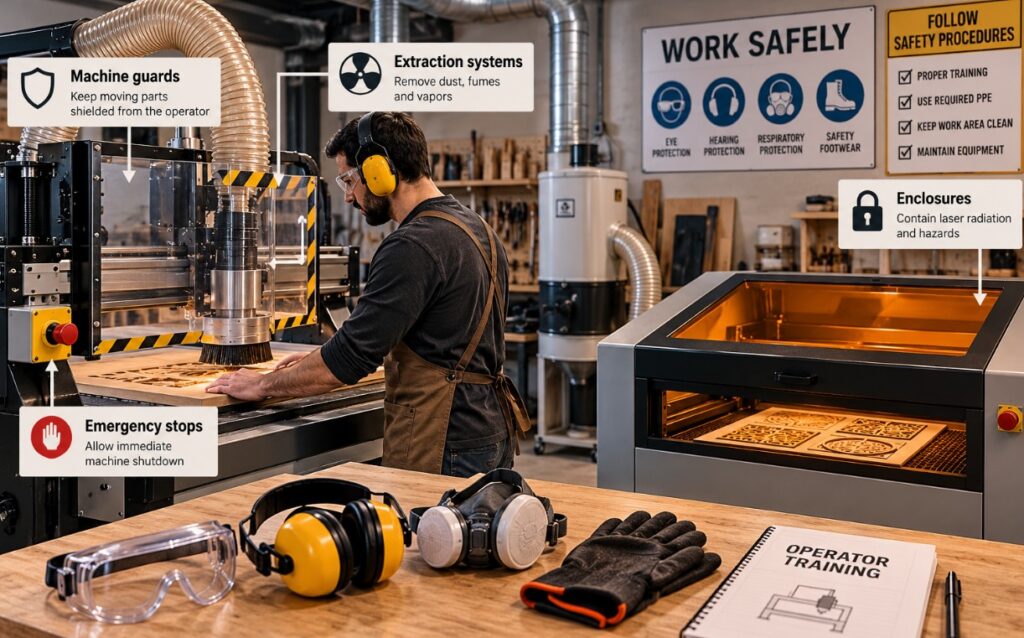
Machine guards, suitable extraction systems, emergency stops, and operator instruction are not optional extras.
The Occupational Safety and Health Administration’s machine safety guidance identifies rotating components, cutting operations, and moving machinery as sources of serious workplace hazards.
Local legal requirements vary by jurisdiction. Manufacturers must comply with the regulations applicable to their location and activities.
For startup planning, safety equipment belongs in the first budget, not a future upgrade list.
A factory that cannot operate safely is not ready for commercial production.
Spend the First Dollars Where They Create a Finished Sale
A small manufacturing company doesn’t need to resemble an established factory on opening day.
It needs the capacity to produce an acceptable product, deliver it reliably, and collect enough revenue to support the next order.
Buy the essential production tools first. Fund inspection and safety requirements. Outsource specialist processes until regular demand makes ownership worthwhile.
Keep capital available for materials, maintenance, and unexpected costs.
The right first equipment purchase is the one that helps your business complete profitable orders today without sacrificing its ability to operate tomorrow.