

Brazil offers more than beaches and football. Its history, identity, and daily life come through in stories told with sharp detail.
Each title in this list shows truth through culture, conflict, pride, or movement. These books open a clear path into Brazil, far beyond any travel guide.
1. Dom Casmurro by Machado de Assis
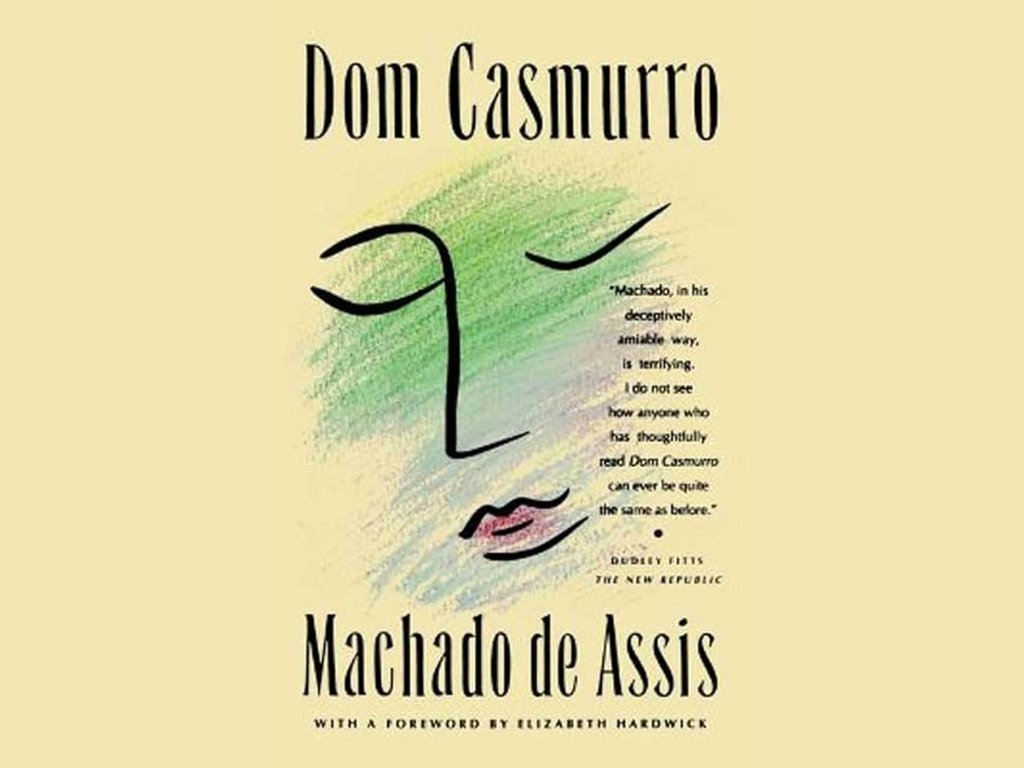
If there’s one name that’s impossible to ignore in Brazilian literature, it’s Machado de Assis. And Dom Casmurro is his crown jewel.
First published in 1899, the novel is told from the perspective of Bento Santiago, who tries to reconstruct his life story—especially his relationship with Capitu, his childhood sweetheart and eventual wife.
But Bento may not be the most trustworthy narrator, and that’s where things get interesting. Was Capitu unfaithful, or is Bento consumed by jealousy and insecurity?
Why You Should Read It
Beyond the gripping psychological tension, the novel explores class, gender roles, and hypocrisy in 19th-century Rio.
It’s taught in schools across Brazil and remains a cultural reference point. For those who want to explore how Brazilians think about memory, love, and identity, it’s a must.
2. Gabriela, Clove and Cinnamon by Jorge Amado
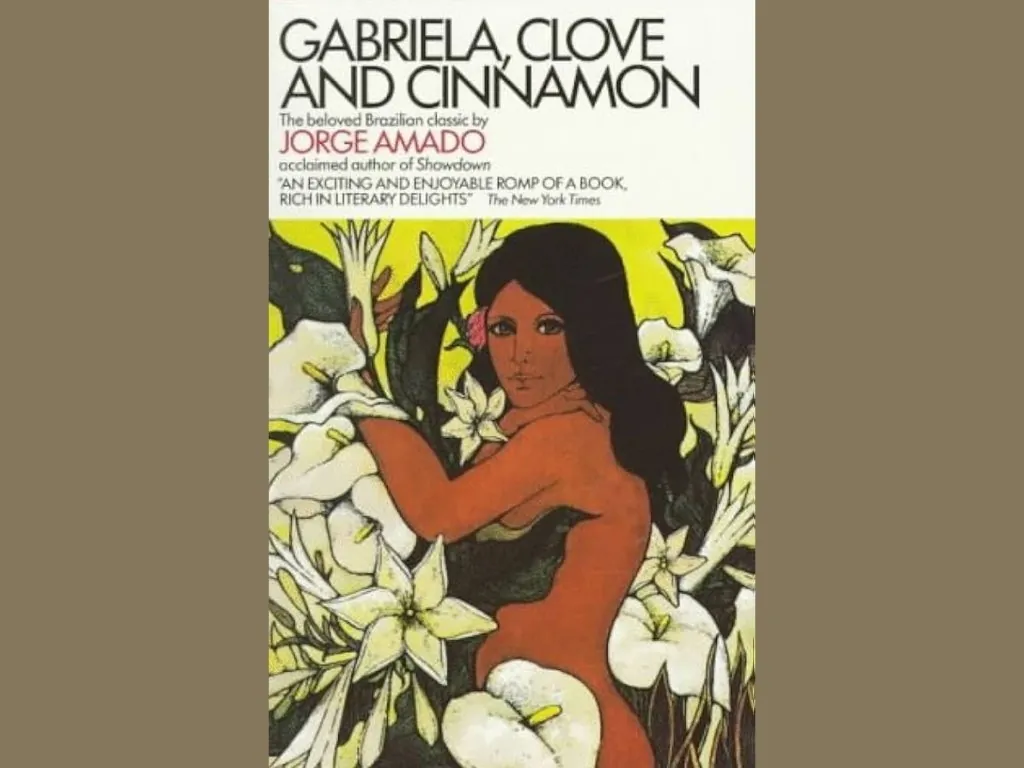
Set in the cacao-rich coastal town of Ilhéus during the 1920s, this novel weaves romance and politics into a unique portrait of northeastern Brazil.
Gabriela is a migrant worker with no formal education but magnetic charm; Nacib is a local bar owner who hires her as a cook and falls head over heels.
Why You Should Read It
Jorge Amado doesn’t just write characters—he writes entire worlds. His Ilhéus is a town on the brink of transformation, where old oligarchs clash with new ideas.
Through the love story of Gabriela and Nacib, Amado tackles class tensions, gender norms, and regional identity.
3. Dona Flor and Her Two Husbands by Jorge Amado

Yes, Amado appears again—and for good reason. Dona Flor is one of Brazil’s best-loved novels, and it’s both hilarious and deeply soulful.
After her wild first husband dies unexpectedly, Dona Flor remarries a kind but dull pharmacist. Then the ghost of her passionate ex shows up. What follows is a dance between desire and security, tradition and pleasure.
Why You Should Read It
Magical realism is often associated with Latin American literature, and here it blends seamlessly with Brazil’s cultural roots. The book offers a celebration of Afro-Brazilian traditions, especially in Salvador, while poking fun at middle-class respectability.
If the blend of magical realism and cultural commentary in ‘Dona Flor and Her Two Husbands’ captivates you, you might also enjoy exploring luna novels that intertwine supernatural elements with rich cultural backdrops.
4. Captains of the Sands by Jorge Amado
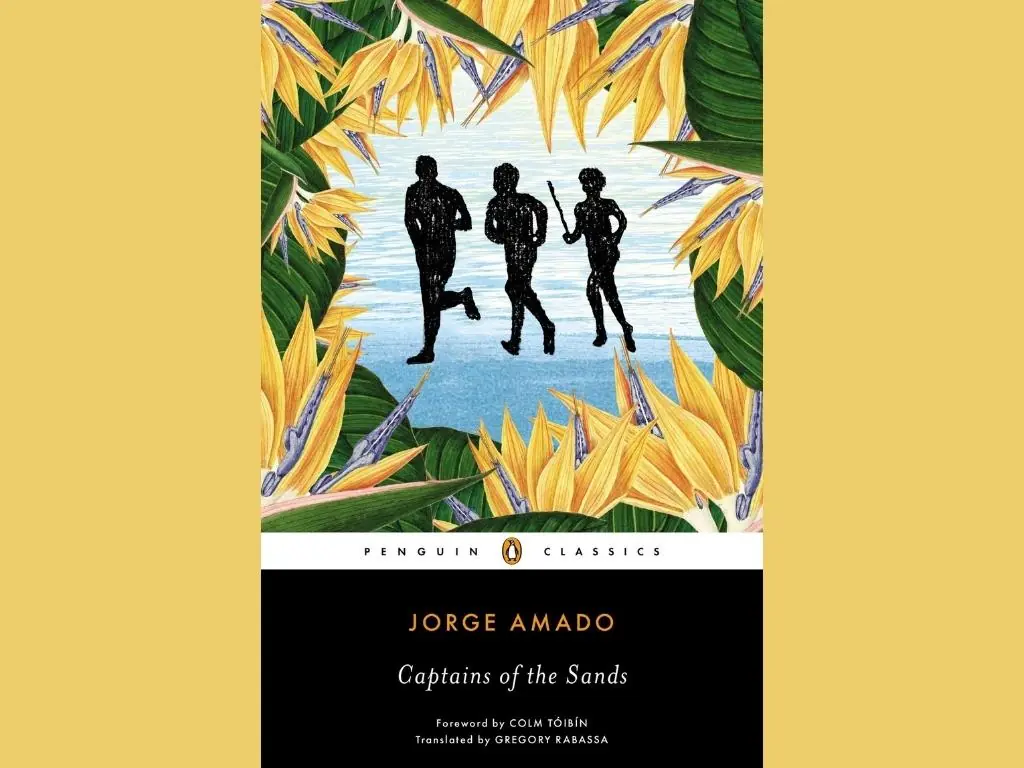
One more from Amado—but this time with a different tone. Captains of the Sands tells the story of street children in Salvador who band together to survive. It’s raw, empathetic, and still very relevant.
Why You Should Read It
When it came out in 1937, the novel was controversial and was even burned publicly by the government. That’s how sharply it critiqued Brazil’s social inequality. Today, it’s a powerful reminder of how literature can give voice to the marginalized.
5. I Didn’t Talk by Beatriz Bracher

Some stories haunt you quietly. I Didn’t Talk is one of them.
Gustavo, a former teacher, looks back at his arrest and torture during Brazil’s military dictatorship in the 1970s. He never betrayed his friend, but everyone assumes he did. Now, decades later, he’s left with guilt, silence, and lingering questions.
Why You Should Read It
Brazil’s military dictatorship is a defining chapter in its modern history. Bracher’s novel doesn’t just recount trauma—it shows its echo across generations. If you’re interested in how history lives inside people, this book hits hard.
6. The War of the End of the World by Mario Vargas Llosa

Though written by a Peruvian Nobel laureate, this book belongs on any list about Brazil. It’s a fictional retelling of the Canudos War—a brutal 19th-century conflict between settlers in Bahia’s backlands and the Brazilian army.
Why You Should Read It
The novel immerses readers in the sertão, Brazil’s arid and often overlooked interior. It’s a region with a strong identity, shaped by hardship, mysticism, and resistance. Llosa’s storytelling brings it vividly to life, exposing class tensions and ideological divides.
7. Ways to Disappear by Idra Novey
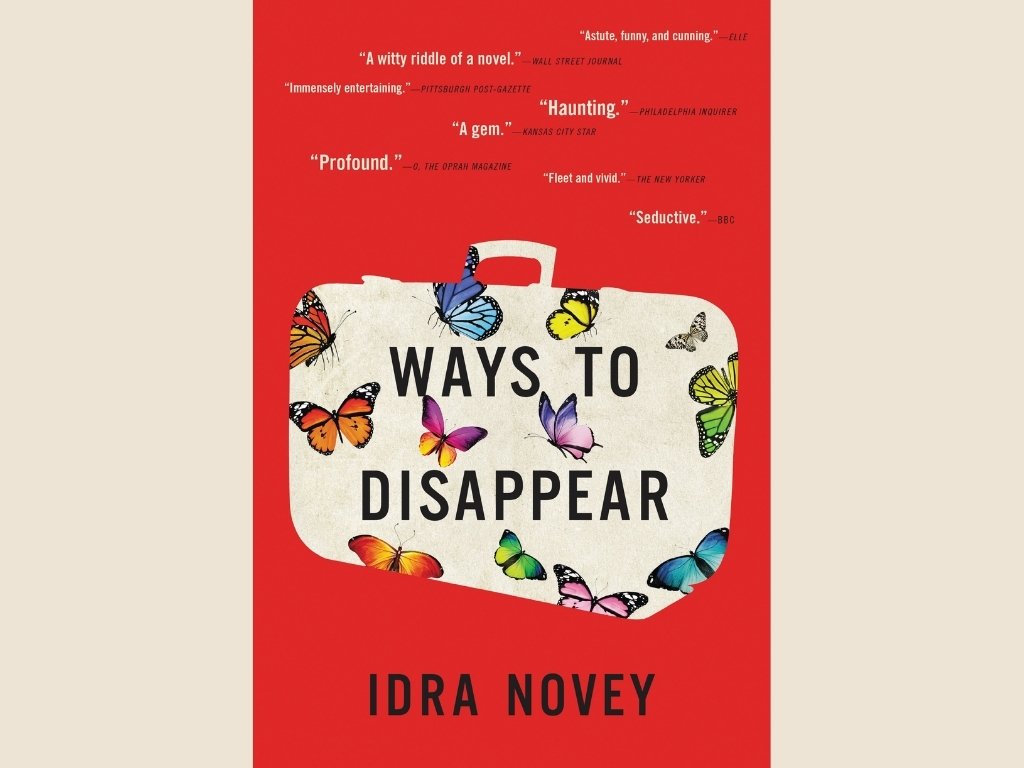
Switching gears, this is a literary mystery with a twist. An American translator heads to Brazil to find the missing writer she works for. Along the way, she’s pulled into the whirlwind of Rio’s streets, family secrets, and the strange life of translation itself.
If you love true mystery stories, check out the one about Patrick McDermott.
Why You Should Read It
Novey captures Brazil through outsider eyes, but with nuance and affection. It’s a novel that shows how languages—and cultures—can both connect and confuse us. Think of it as part detective story, part cultural meditation.
8. Brazil: A Biography by Lilia Schwarcz and Heloisa Starling
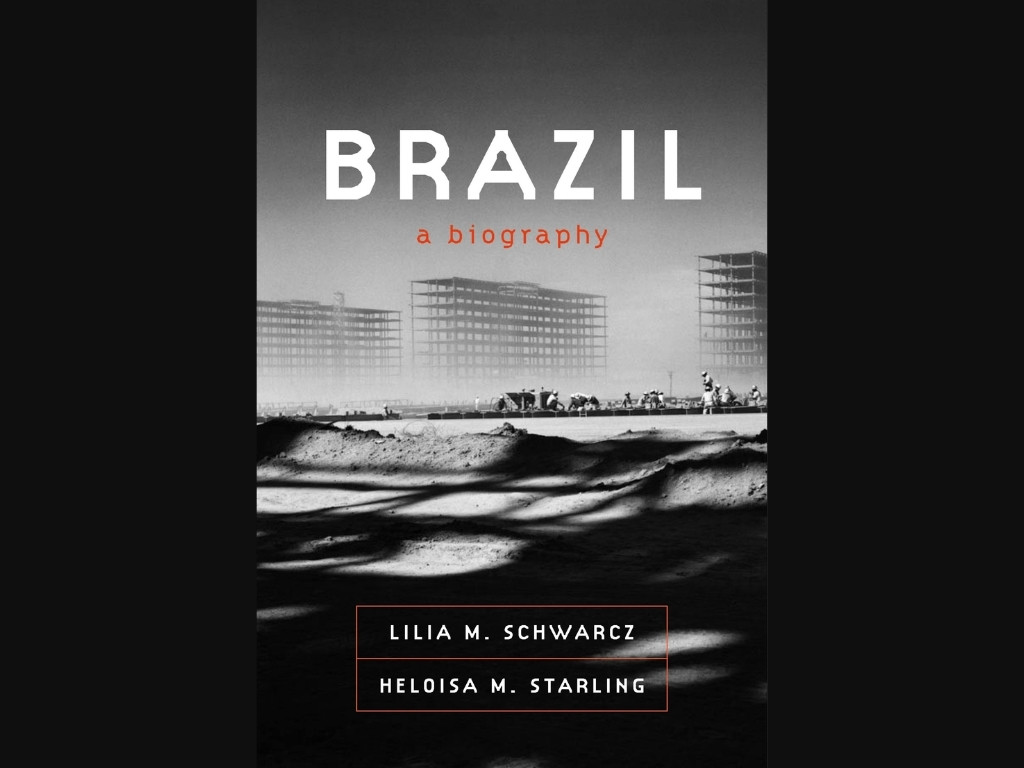
If you only read one nonfiction book about Brazil, make it this one.
Spanning centuries—from colonization to dictatorship, and from slavery to samba—it’s a sweeping account that manages to stay highly readable. The authors are both historians but write with clarity and warmth.
Why You Should Read It
Brazil’s history is dense and, at times, painful. This book lays it all out without sugarcoating, yet still honors the resilience and creativity of the Brazilian people. It’s especially valuable for understanding how race, class, and politics interact.
9. A Death in Brazil by Peter Robb
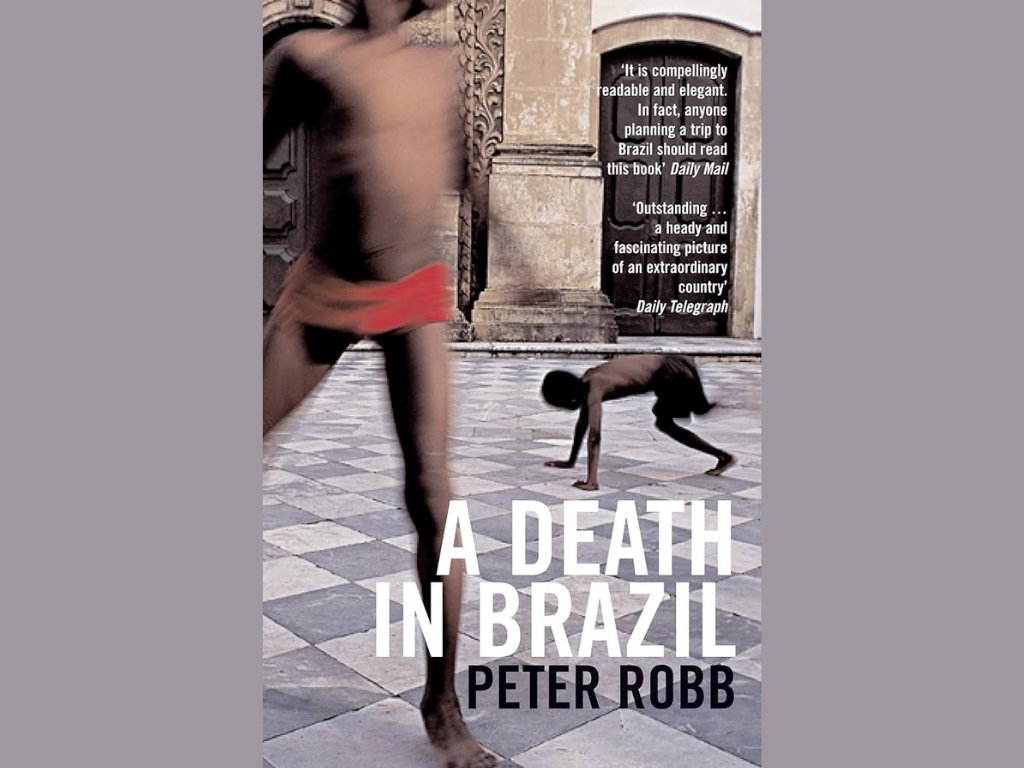
This book is part travel memoir, part cultural analysis, part political essay. Robb lived in Brazil for years and uses personal anecdotes to explore deeper issues—slavery, corruption, and Brazil’s never-simple identity.
Why You Should Read It
Robb’s style is immersive and conversational, which makes heavy themes feel approachable. He doesn’t shy away from uncomfortable truths, especially around Brazil’s racial history and the legacy of colonialism.
10. Dancing with the Devil in the City of God by Juliana Barbassa
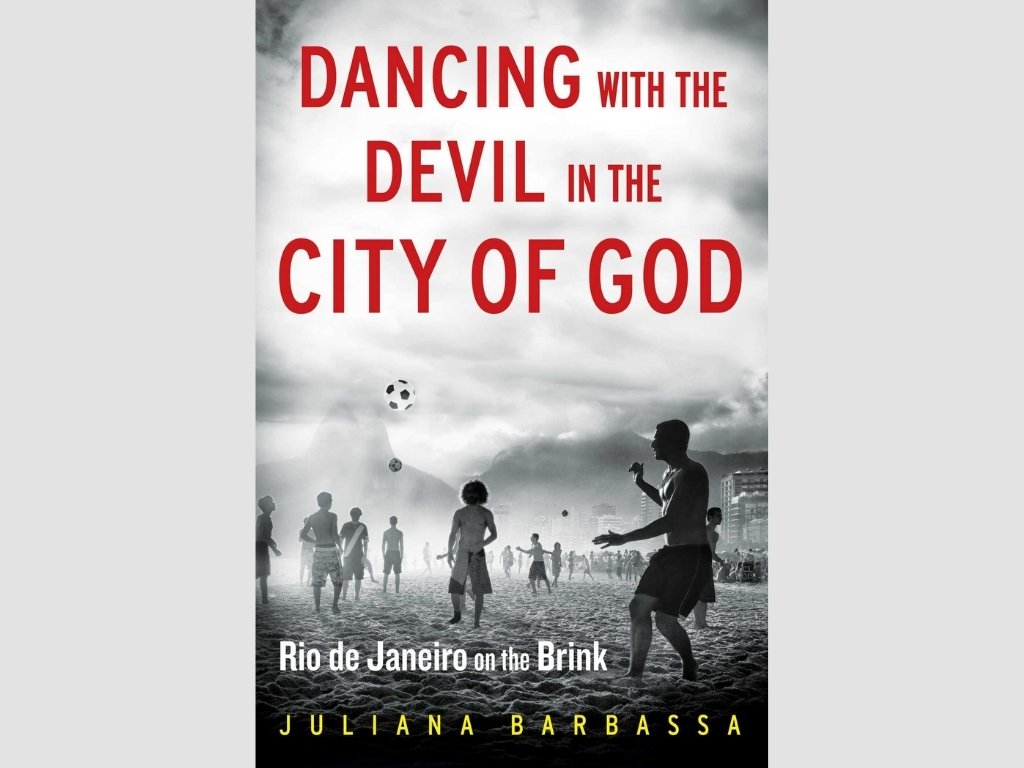
What happens when the world’s spotlight turns to Brazil, say, for a World Cup or an Olympics, while long-standing issues boil just under the surface?
Barbassa, a journalist who grew up in Rio and returned to cover it, offers a candid account of the city’s struggles with poverty, police violence, urban renewal, and political dysfunction.
Why You Should Read It
Rio is often romanticized, but Barbassa pulls back the curtain. Her book is a powerful exploration of beauty and decay, joy and injustice—all coexisting in one of the world’s most iconic cities.
Culture Beyond Just Books
Books are a doorway, but Brazil’s culture extends far beyond literature. The context you bring into your reading makes all the difference.
Key Cultural Touchpoints
| Aspect | Description |
| Music | Samba, bossa nova, forró, funk carioca—each tells a different story. |
| Food | Feijoada, moqueca, acarajé—meals rooted in both African and Indigenous traditions. |
| Religion | Catholicism mixes with Candomblé and Umbanda in uniquely Brazilian ways. |
| Sport | Football is a national sport. Even books touch on their cultural weight. |
| Social Issues | Poverty, race, land inequality, and urbanization often shape the national narrative. |
Why These Books Matter for Culture Lovers
If you’re someone who seeks to understand, not just see or consume, another culture, Brazil offers a goldmine. But it’s easy to get lost in stereotypes or surface-level interpretations. That’s where these books come in.
They give you:
- Literary richness: From Machado’s psychological depth to Amado’s folkloric exuberance.
- Historical grounding: Learn how Brazil became what it is today, through both sweeping accounts and personal narratives.
- Cultural texture: Every region, every voice, brings something new to the table.
- Social awareness: Inequality, dictatorship, colonialism, urban struggle—they’re all here, and they’re written with humanity, not just headlines.
Final Thoughts
You don’t need a plane ticket to explore Brazil. Its stories are already waiting for you—on beaches and in favelas, inside kitchens and government buildings, sung in samba lyrics and whispered through family secrets.
The 10 books listed here aren’t just recommended reads—they’re invitations. To question, feel, and learn. And above all, to see Brazil not as a postcard, but as a living, breathing place full of contradictions, warmth, rhythm, and soul.
So grab a copy, settle in, and let Brazil speak to you—page by page.