
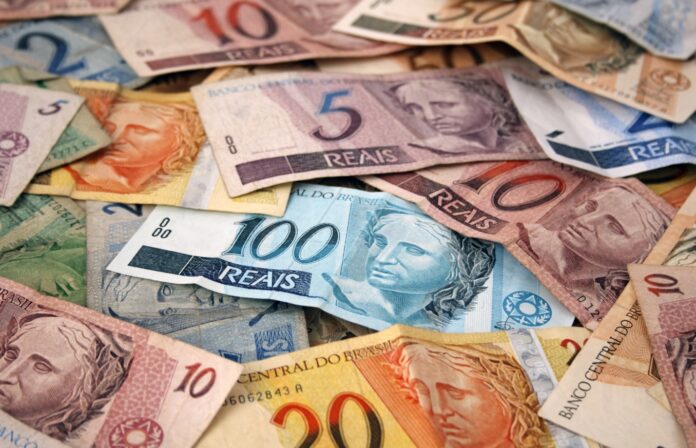
Brazil has set its 2025 minimum wage, aiming to align pay with inflation and economic performance.
Lawmakers reached the figure after intense debate over budget limits and household needs.
The adjustment fits into a broader push for fiscal stability and controlled growth.
Details of the 2025 Minimum Wage
The minimum wage for 2025 has been set at R$1,502, which represents an increase over the previous year.
The adjustment includes compensation for inflation based on the National Consumer Price Index and a modest increase linked to GDP growth in 2023. Workers across Brazil will begin receiving the updated wage in February.
Congresso aprova Lei de Diretrizes Orçamentárias de 2025 com salário mínimo de R$ 1.502 pic.twitter.com/WJ3m1LJytR
— Rádio BandNews FM (@radiobandnewsfm) December 18, 2024
A Sign of Economic Growth
Economic performance in 2024 played a central role in determining this adjustment. Strong gains in the services and industry sectors helped stabilize national finances, providing room for a calculated increase in wages.
Fiscal Responsibility
The government’s decision aligns with its broader focus on addressing the national fiscal deficit.
Strategies aimed at reducing unnecessary spending while preserving essential services remain at the core of this approach.
By controlling expenditures and targeting high-income earners for additional taxes, the government has worked to maintain financial stability without overburdening the most vulnerable populations.
Effects on Workers and Families
The minimum wage adjustment directly influences key social programs like Bolsa Familia, which provides vital support for low-income families.
Ensuring timely payments for these programs remains a priority. Additionally, targeted taxes, such as the sin tax, help generate public revenue while protecting essential goods from higher costs, showing a balance between revenue generation and fairness.
O ministro da economia Fernando Haddad ACABA de CONFIRMAR que o salário mínimo em 2025 será de R$ 1.502.
Isso representa um AUMENTO de 6,37%!!!
FAZ O L COM FORÇA!!!??? pic.twitter.com/BG2Uz35JXr
— Pedro Rousseff (@pedrorousseff) April 17, 2024
Looking Ahead
Efforts to balance wages with economic policies demonstrate a commitment to stability. Inflation and financial reforms remain challenges, but the government is taking steps to support workers and manage fiscal realities.
These measures aim to provide steady progress for both families and the broader economy.
Read Next: Brazil 2025 Budget Cuts Bolsa Família by Billions