
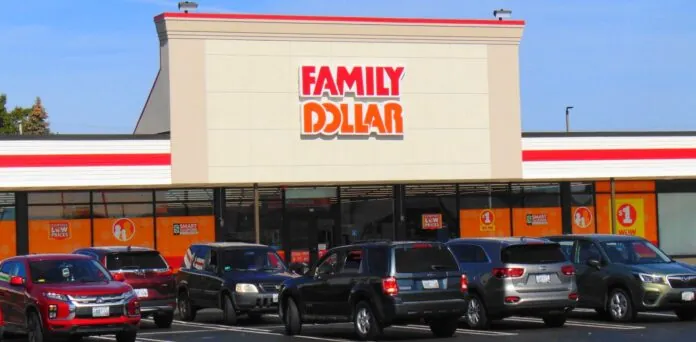
Dollar Tree, Inc. announced today it is selling its Family Dollar chain to private equity firms Brigade Capital Management and Macellum Capital Management for $1 billion, ending a decade-long struggle to integrate the discount retailer it bought for $8.5 billion in 2015.
The deal, expected to close in the second quarter of 2025, raises a pressing question for millions of budget-conscious shoppers: where do they go now for affordable goods?
Key Details
- Sale: $1 billion to Brigade and Macellum, closing Q2 2025, $800 million net proceeds.
- History: $8.5 billion acquisition in 2015, 1,000 store closures in 2024, $41.6 million fine.
- Financials: Q4 2024 revenue $5 billion (Dollar Tree segment), 2025 forecast $18.5-$19.1 billion.
- Market: Stock up 5-7% after announcement.
- Context: Tariffs (40% of sales), inflation, competition from Walmart and Dollar General.
The Deal at a Glance
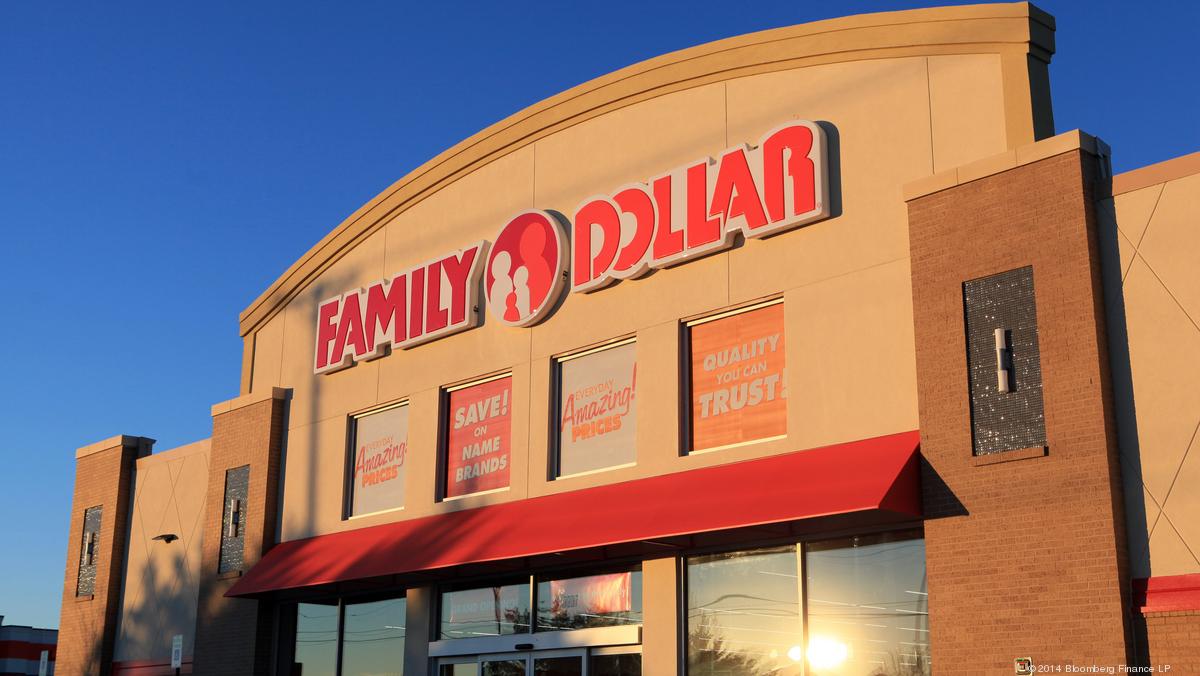
Dollar Tree’s decision to offload Family Dollar comes after years of operational challenges and financial losses.
The company acquired Family Dollar in 2015 for $8.5 billion, outbidding Dollar General, with the aim of strengthening its position in the discount retail market.
However, the chain’s roughly 8,000 stores—mostly serving low-income urban customers with items priced between $1 and $10—have faced declining performance, prompting Dollar Tree to close nearly 1,000 locations in 2024 alone.
The sale to Brigade and Macellum will net Dollar Tree $800 million after costs, a steep drop from its original investment.
The announcement coincided with Dollar Tree’s latest earnings report, showing quarterly revenue of $7.7 billion for the period ending February 1, 2025.
Excluding Family Dollar, the Dollar Tree segment posted $5 billion in revenue and a 2% increase in same-store sales.
For fiscal 2025, the company projects sales of $18.5 billion to $19.1 billion, with adjusted earnings per share between $5.00 and $5.50.
Investors welcomed the move, boosting Dollar Tree’s stock by 5-7% in premarket trading after a 47% decline over the past year.
#Dollar Tree is selling Family Dollar at a huge loss. Its stock is rising anyway. https://t.co/lLMhcGqEsy
— Sumit Chaudhari (@iSumitChaudhari) March 26, 2025
Why the Sale?
Family Dollar’s troubles are well-documented. Analysts point to over-expansion, with stores often located too close together, cannibalizing sales.
Poor store conditions and pricing that drifted above competitors like Walmart and Dollar General hurt its appeal.
In 2024, the chain paid a $41.6 million fine for product safety violations tied to a rat-infested warehouse in West Memphis, Arkansas, further damaging its reputation.
Dollar Tree recorded a $950 million impairment on the Family Dollar name and a $1.07 billion goodwill charge last year, signaling the brand’s decline.
“This sale allows us to focus on our core business,” said Dollar Tree CEO Mike Creedon, who took the role permanently in late 2024.
“It’s a milestone in our transformation.” The company has already shifted gears, recently acquiring leasing rights to 170 shuttered 99 Cents Only Stores to bolster its Dollar Tree footprint.
What’s Next for Family Dollar?
The private equity buyers, Brigade Capital Management and Macellum Capital Management, plan to keep Family Dollar’s 8,000 stores operational for now, with headquarters remaining in Chesapeake, Virginia.
“This transaction is a unique opportunity to reinvigorate an iconic business,” said Jonathan Duskin, CEO of Macellum.
Details on their strategy are scarce, but industry experts suggest renovations, cost-cutting, or a pricing overhaul could be in play.
Neil Saunders, managing director at GlobalData, warns that Family Dollar’s challenges—uncompetitive pricing and a less loyal customer base—won’t vanish overnight.
Impact on Shoppers
For the millions who rely on Family Dollar, the sale introduces uncertainty. The stores aren’t closing immediately, but changes under new ownership could affect product availability or prices.
Dollar Tree, meanwhile, is doubling down on its own brand, where base prices rose to $1.25 in 2021 and some items now reach $7.
With same-store sales trending up, Dollar Tree could become a stronger option for budget shoppers, though its focus leans more toward suburban and small-town markets than Family Dollar’s urban base.
External pressures loom large. President Donald Trump’s proposed tariffs on imported goods, which account for 40% of Dollar Tree’s sales, could force price hikes at both chains.
Inflation has already squeezed low-income consumers, with Dollar General CEO Todd Vasos noting last week that many customers “only have enough money for basic essentials.”
The dollar store sector itself is reeling—99 Cents Only filed for bankruptcy in 2024—leaving shoppers with fewer cheap alternatives.
Also read: Walmart Boycott across the US.
Where Will Shoppers Turn?
Options remain, but each has trade-offs. Dollar General, with its rural stronghold, competes fiercely but isn’t as urban-focused as Family Dollar.
Walmart offers scale and variety, though convenience varies by location. Online retailers like Amazon could fill gaps, but shipping costs often outweigh savings for small purchases.
For now, Family Dollar shoppers may stick it out to see what Brigade and Macellum deliver, while Dollar Tree loyalists might see more stores or deals as the company refocuses.
The Bigger Picture
The sale reflects broader struggles in the discount retail space. “The dollar store sector faces existential uncertainties,” UBS analyst Michael Lasser wrote last year, citing inflation, competition, and shifting consumer habits.
Dollar Tree’s move to shed Family Dollar suggests a retreat to safer ground, but tariffs and economic headwinds could still disrupt the industry.
Shoppers, caught in the middle, will need to adapt—whether that means chasing deals at Dollar Tree, testing Family Dollar’s next chapter, or scouting new haunts.
As the deal unfolds, one thing is certain: the hunt for a bargain just got more complicated. Stay tuned for updates as this $1 billion shift reshapes the discount landscape.
Read Next: Arianna Huffington Net Worth