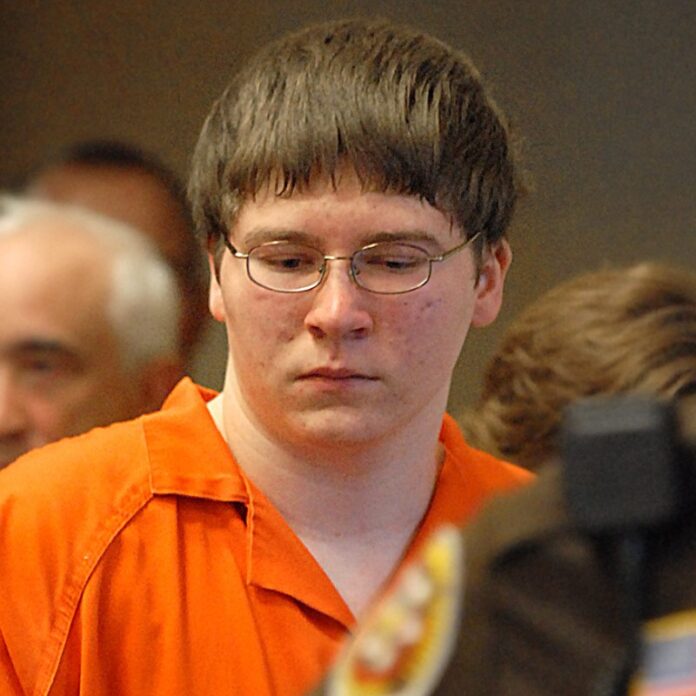
Brendan Dassey, a name seared into public memory by the Netflix series Making a Murderer, sits in a Wisconsin prison, convicted of a brutal murder at the age of 16.
But as the years stretch on, with Dassey now 35 and facing another 23 years behind bars, a haunting question lingers: Is he truly guilty, or is he another victim of a system that sometimes values convictions over truth?
The Innocence Project, a beacon for those wrongfully imprisoned, has championed Dassey’s cause, but can they deliver salvation in a case mired in doubt?
The Crime and the Confession
On October 31, 2005, 25-year-old photographer Teresa Halbach vanished after visiting the Avery family’s auto salvage yard in Manitowoc County, Wisconsin, to photograph a van for Auto Trader magazine.
Her burned remains were later found in a pit on the property, her vehicle hidden nearby. Steven Avery, Dassey’s uncle, became the prime suspect, already a local lightning rod after serving 18 years for a wrongful rape conviction before his 2003 DNA exoneration.
But it was Dassey, a quiet, intellectually challenged teenager, who would become the linchpin of the state’s case against Avery, and pay a devastating price.
In March 2006, after months of peripheral questioning, Dassey, then 16 with an IQ between 69 and 73, sat down with two experienced investigators: Manitowoc County’s Mark Wiegert and Wisconsin DOJ’s Tom Fassbender.
Over four hours, without a parent or lawyer present, Dassey confessed to helping Avery rape, stab, shoot, and burn Halbach.
The details were chilling: a bedroom assault, a garage shooting, a body incinerated in a bonfire.
The confession, played for a jury in 2007, sealed Dassey’s fate- life in prison, with parole possible in 2048.
But watch the tapes, as millions did in Making a Murderer, and unease creeps in.
Dassey, a soft-spoken teen with a vacant stare, guesses answers to leading questions. “What did he do to her head?” the officers press. “Cut her hair,” Dassey replies, before they steer him to “shot.”
They promise, “We’ll go to bat for you,” and say “Be honest” over 70 times, tactics that scream coercion to experts.
After confessing to horrors, Dassey asks if he can return to school for a project, as if unaware he’s just signed away his life. He recanted almost immediately, telling his mother, “They got to my head.”
The Evidence, or Lack Thereof
Here’s the rub: not a single piece of physical evidence ties Dassey to Halbach’s murder.
No blood, DNA, fingerprints, or fibers, nothing from the trailer, garage, or burn pit where the crime allegedly unfolded.
Forensic teams scoured the scenes, finding Halbach’s remains, a bullet with her DNA linked to Avery’s rifle, and her car key in Avery’s trailer.
Yet Dassey, who supposedly stabbed and raped her, left no trace.
The prosecution leaned on his words alone, words extracted from a vulnerable kid under pressure.
Contrast this with Avery’s case, where physical evidence, such as Halbach’s blood in her RAV4 and her key in his bedroom, bolstered the state’s narrative.
Dassey’s conviction, by contrast, hangs on a confession riddled with holes. He described a blood-soaked bedroom and garage, yet no such evidence existed; only a small bleach stain in the garage surfaced, hardly the carnage he depicted.
The Innocence Project, which has freed hundreds through DNA evidence, points out that 28% of their exonerations involve false confessions, with juveniles like Dassey(suggestible, eager to please)making up 42% of those cases.
The Legal Fight: A Rollercoaster of Hope and Defeat
Dassey’s attorneys, led by Laura Nirider and Steven Drizin of the Center on Wrongful Convictions of Youth, have fought tirelessly, arguing his confession was coerced.
In 2016, a federal magistrate judge agreed, overturning the conviction, citing false promises and Dassey’s vulnerability.
Hope surged, only to be crushed when the 7th Circuit Court of Appeals reversed the decision in 2017, splitting 4-3.
The majority called the confession voluntary, bowing to restrictive federal standards under AEDPA.
Dissenting judges decried the interrogation as a “slow grinding down” of a defenseless teen.
In 2018, the U.S. Supreme Court declined to hear the case, slamming the door on judicial relief.
The Innocence Project, while not Dassey’s counsel, has been a vocal ally, using his case to spotlight the dangers of coercive interrogations. Their advocacy helped spark reforms in states like Illinois, banning deceptive tactics for juveniles, but Wisconsin has yet to follow suit.
For Dassey, these changes come too late. His appeals are exhausted, leaving clemency as his only path.
The Human Toll: 19 Years and Counting
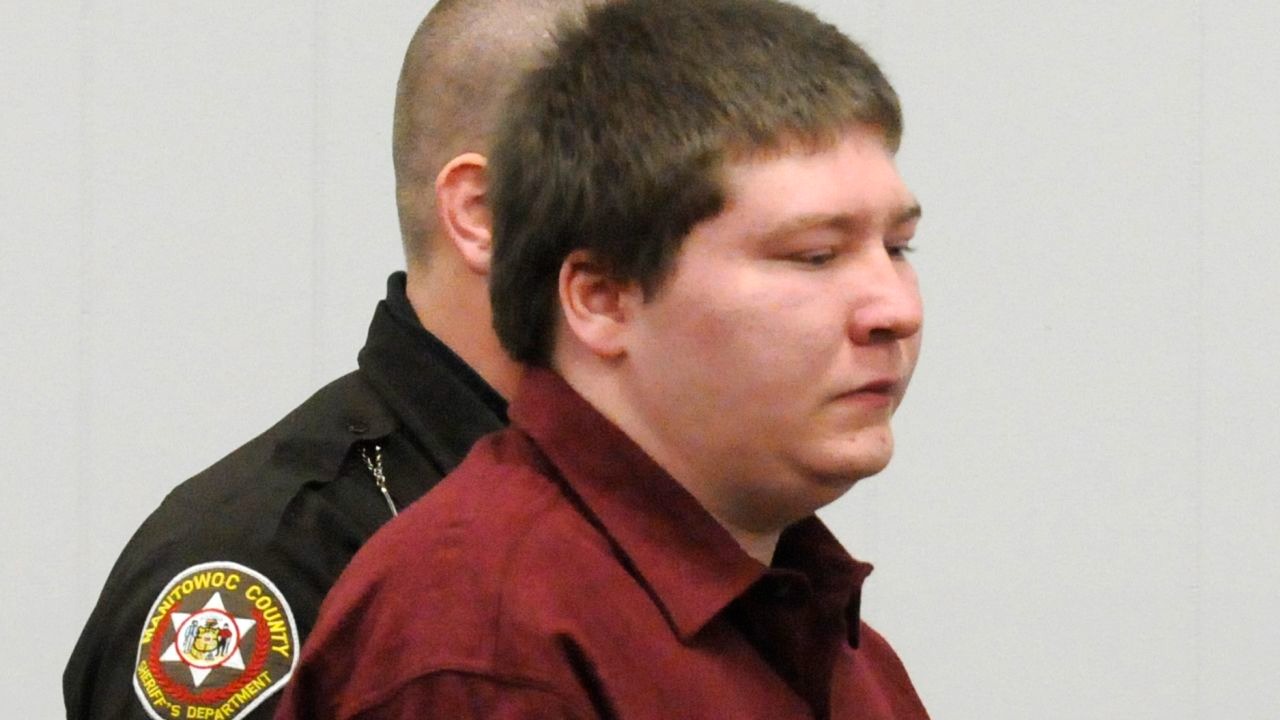
Imagine being 16, barely grasping the world, and locked away for life based on words you claim were forced out of you.
That’s Brendan Dassey’s reality. Now 35, he’s spent more than half his life at Oshkosh Correctional Institution, his parole date a distant 2048.
He’s earned a GED, written letters advocating for juvenile justice, and maintained his innocence, yet the system holds firm.
In 2019, Dassey’s team, backed by 250,000 petitioners and experts like the Innocence Project, sought clemency from Wisconsin Governor Tony Evers.
Evers denied it, citing Dassey’s status as a registered sex offender and a policy against commutations.
On platforms like X, voices still cry out, tagging Evers with hashtags like #FreeBrendanDassey, but the governor remains unmoved, and the Halbach family’s belief in Dassey’s guilt adds a heavy counterweight.
?? Brendan Dassey is still in prison — even though it’s clear he was manipulated.
He was just 16 and had intellectual disabilities.
It breaks my heart that he’s still behind bars.
Why hasn’t he been freed?#freebrendan #FreeBrendanDassey pic.twitter.com/NMpCeK4l35— ansimuz (@ansimuz) July 31, 2025
Those who believe Dassey is guilty point to his confession’s details: the garage shooting, the burn pit, the handcuffs.
Prosecutors argued he volunteered facts only a participant would know. But watch the interrogation, and you see officers feeding answers, correcting Dassey’s guesses, and shaping the narrative.
The Verdict
So, is Brendan Dassey guilty? The evidence(or lack thereof) tilts heavily toward doubt.
A confession extracted from a vulnerable teen, with no physical corroboration, doesn’t meet the threshold of justice in my book.
If he’s innocent, Dassey has lost 19 years of freedom, with 23 more looming, a punishment that feels as cruel as the crime itself.
Even if he played some role, the absence of evidence and the interrogation’s flaws demand a second look.
The Innocence Project’s fight to reform the system keeps Dassey’s story alive, but their power is limited without forensic breakthroughs.
His hope lies in clemency, a long shot given Evers’ stance, or a miracle of new evidence.
Until then, Dassey remains a symbol of a system that sometimes convicts first and asks questions later.