
If you stay around horses long enough, you stop being surprised by medical patterns. The same problems show up season after season, barn after barn, country after country.
Colic. Ulcers. Lameness. Skin infections. Breathing trouble. Dental disease. Metabolic disorders.
These are not rare accidents. They are structural consequences of how modern horses live, work, eat, and age.
Large-scale veterinary data from the United States, United Kingdom, Germany, and Australia all point to the same conclusion: digestive disease, musculoskeletal injury, and chronic inflammatory conditions dominate equine healthcare year after year.
Insurance claim analysis from North America shows that more than 60 percent of all payouts are linked to lameness and gastrointestinal disease alone. That statistic barely shifts from one decade to the next.
The reason is simple. Most common equine diseases are not random. They are built gradually through management pressure, training load, diet composition, confinement, genetics, and aging.
Colic and Digestive Disorders
Colic remains the single most feared medical emergency in horses, and statistically, it is also the most common. Across large population studies, 4 to 10 percent of horses experience at least one colic episode every year.
In practical terms, that means one colic case annually in a 10–20 horse barn is completely normal from a statistical standpoint.
Colic is not one disease but a wide group of problems caused by:
- gas distension
- intestinal impaction
- displaced bowel loops
- twisted intestines
- dehydration
- sudden feed changes
- poor gut motility
Modern feeding is one of the strongest risk factors. Horses are continuous grazers by evolution.
When feeding is compressed into two high-starch meals with long fasting periods, intestinal motility slows, fermentation patterns shift, and the risk of impaction rises sharply.
Annual Colic Risk by Horse Type
| Horse Type | Estimated Annual Colic Risk |
| Pasture-kept pleasure horses | 2–4% |
| Stabled sport horses | 6–10% |
| Racehorses | 10–15% |
| Senior horses (15+) | 12–18% |
Even horses that never develop surgical colic often suffer from chronic low-grade digestive discomfort, shown through inconsistent stool quality, intermittent appetite loss, girthiness, and unexplained attitude changes.
Equine Gastric Ulcer Syndrome
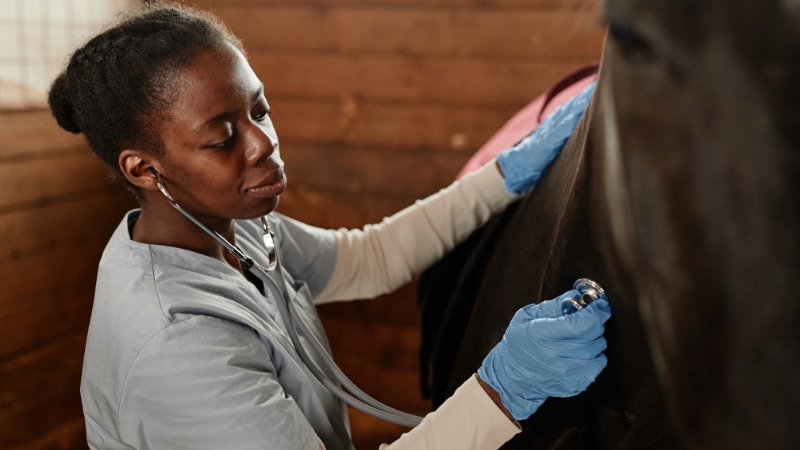
Gastric ulcers are one of the most widespread silent diseases in the modern horse population.
Endoscopic screenings consistently show that 60 to 90 percent of performance horses have active gastric ulcers, while even pasture horses show ulcer prevalence around 40 to 50 percent.
A horse’s stomach produces acid continuously. Without constant chewing and saliva buffering, that acid damages the upper, unprotected stomach lining.
The main risk drivers include:
- meal-based feeding
- high starch intake
- stall confinement
- hauling stress
- competition schedules
- NSAID painkillers
Ulcers rarely look dramatic. Owners usually notice:
- Irritability under saddle
- Reduced willingness to go forward
- girth sensitivity
- intermittent colic
- poor coat quality
- subtle weight loss
Left unmanaged, ulcers silently weaken nutrient absorption, muscle recovery, metabolic stability, and immune defense.
Lameness and Joint Degeneration
View this post on Instagram
Lameness is the number one reason horses lose performance ability worldwide.
Musculoskeletal injuries account for over 50 percent of all sport-horse veterinary cases, and arthritis affects more than one-third of horses over age ten.
Every stride places massive concussion forces through:
- coffin joints
- fetlocks
- hocks
- stifles
Once cartilage begins degenerating, it does not regenerate effectively. Inflammation thickens joint capsules, joint fluid thins, and bone spurs form gradually.
Poor trimming angles, repetitive hard ground work, excess body weight, and inadequate conditioning all accelerate this process.
Most Common Arthritic Joints by Discipline
| Discipline | Most Affected Joints |
| Jumpers | Fetlocks, stifles |
| Dressage | Hocks, sacroiliac |
| Reining | Hocks, stifles |
| Pleasure riding | Coffin joints, hocks |
Lameness management almost always becomes lifelong once it begins.
Skin Disease and Allergic Reactions
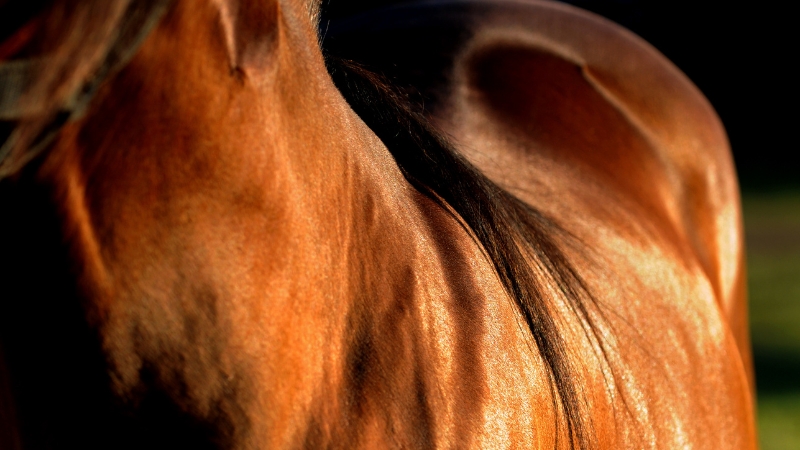
Skin problems return every year with the weather cycles. Studies in humid climates show that 30 to 40 percent of horses develop at least one dermatological condition annually.
These include rain rot, mud fever, fungal infections, pastern dermatitis, bacterial folliculitis, and insect hypersensitivity.
Equine skin is thin and easily compromised. Moisture, damaged hair shafts, and insect saliva break down protective barriers quickly.
Horses with sweet itch or insect allergies often suffer intense itching, hair loss, open sores along the mane and tail, and secondary bacterial infections.
Chronic skin inflammation creates:
- constant stress
- sleep disturbance
- weight fluctuation
- Higher infection susceptibility
Laminitis and Metabolic Disorders
Today, most laminitis cases are driven by insulin dysregulation and obesity, not grain overload. Equine Metabolic Syndrome and PPID now dominate laminitis statistics.
Research shows that up to 20 percent of horses over age 15 suffer from pituitary dysfunction, many undiagnosed.
Laminitis permanently damages the bond between the hoof wall and coffin bone. Once it occurs, recurrence risk stays high for life.
Even mild episodes alter internal hoof structure permanently.
Primary Laminitis Triggers Today
| Trigger Type | Share of Modern Cases |
| Metabolic insulin dysregulation | ~60% |
| Pasture fructans | ~20% |
| Endocrine disease (PPID) | ~15% |
| Mechanical overload | ~5% |
Muscle Disorders and Exercise Intolerance
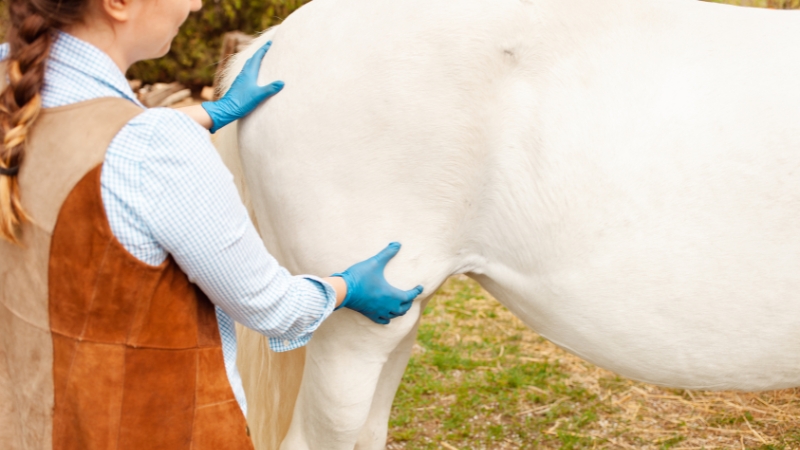
Recurrent tying-up, muscle stiffness, and trembling follow a wide range of causes, including electrolyte imbalance, genetic muscle disease, poor conditioning, and metabolic dysfunction.
Repeated muscle fiber damage leads to fibrosis, impaired calcium handling, and reduced glucose uptake at the cellular level.
This directly increases injury risk and limits long-term athletic durability.
Mid-Article Resource Placement
For owners who want deeper nutrition science, metabolic health research, digestive physiology, and long-term disease prevention explained in practical language, one of the most focused independent resources available today is Equus Victu, which specializes exclusively in evidence-based equine health, feeding strategies, and performance physiology.
Parasites and Immune Suppression
Equine Parasite Research Update https://t.co/aCvcerSn91
— The Horse (@thehorse) February 22, 2024
Drug resistance is now widespread in equine parasite populations. Blanket deworming is losing effectiveness year after year.
Subclinical parasitism weakens gut lining integrity, reduces nutrient absorption, and suppresses immune function without obvious dramatic symptoms.
Horses with unmanaged parasite loads often appear:
- Dull-coated
- slow to recover
- irritable
- metabolically unstable
Why These Problems Never Truly Disappear
These diseases persist because the modern horse lives in a biological contradiction. Horses evolved to move constantly, eat continuously, breathe open air, and self-regulate energy through seasonality.
Modern management replaces that with confinement, meal feeding, artificial footing, dust exposure, metabolic overfeeding, and high mechanical workloads.
Most of these conditions are not sudden accidents. They are slow accumulations of physiological stress that cross a clinical threshold after months or years.
The Lifetime Financial Reality
Across North America, long-term veterinary modeling places average lifetime medical costs per horse between $18,000 and $32,000 USD. The majority of this expense is tied to:
- lameness and arthritis
- dental correction
- metabolic disease
- ulcer treatment
- skin and respiratory management
But the emotional cost to owners often exceeds the financial one. Chronic disease is not dramatic.
It slowly reshapes routines, training plans, feeding strategies, turnout schedules, and expectations year after year.
Final Perspective
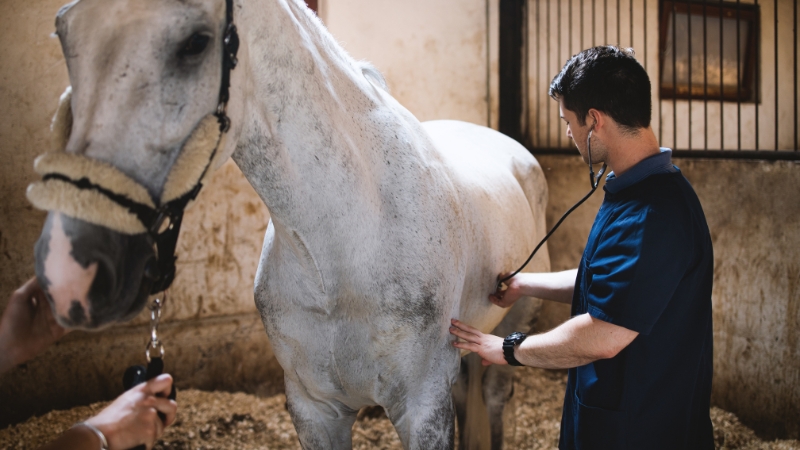
Most horses are not lost to one catastrophic injury. They are gradually worn down by recurring digestive stress, joint degeneration, metabolic imbalance, respiratory inflammation, dental failure, and immune exhaustion.
These are not rare events. They are the structural medical patterns of modern horse ownership.
The difference between horses that decline early and horses that remain comfortable into old age is not luck. It is early recognition, physiologically correct management, and long-term consistency.